

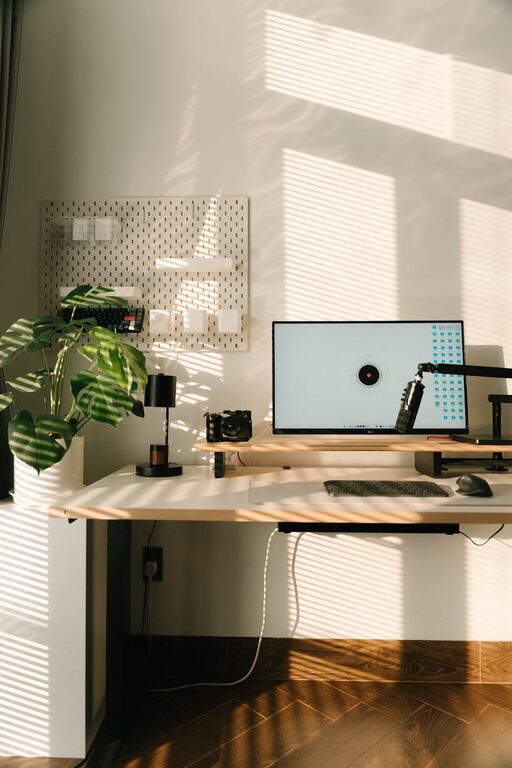
Creating a calming and productive home office is essential for anyone working remotely or managing tasks at home. A well-organised and peaceful workspace can improve concentration, reduce stress, and enhance your overall work experience. Whether you have a dedicated room, a corner of the living room, or a small desk in the bedroom, these tips will help you design an environment that supports your best work.
Choose the Right Location
The first step is selecting where your home office will be. Ideally, pick a spot with minimal distractions, good natural light, and enough space for your equipment. A quiet corner or a spare room works well.
– Natural light: Position your desk near a window if possible to enjoy daylight, which boosts mood and alertness.
– Avoid noisy areas: Stay away from busy rooms or external loud noises like traffic.
Invest in Comfortable and Ergonomic Furniture
Comfort plays a big role in maintaining productivity. Investing in ergonomic furniture can prevent discomfort and promote good posture.
– Ergonomic chair: Choose a chair that supports your lower back and allows your feet to rest flat on the floor.
– Desk height: The desk should be at a height where your elbows form a 90-degree angle when typing.
– Adjustable elements: Consider accessories like monitor stands or keyboard trays to position your screen and tools correctly.
Declutter and Organise Your Space
A tidy workspace keeps your mind clear and minimises distractions.
– Storage solutions: Use shelves, drawers, or organisers to keep essential items within reach but out of sight.
– Regular clearing: Dedicate time daily or weekly to tidy your desk.
– Minimalism: Keep your desk surface free from unnecessary items.
Use Colours That Promote Calm and Focus
Colours can affect your mood and productivity.
– Soft and neutral tones: Shades like pale blue, green, or beige create a calming atmosphere.
– Accent colours: Add subtle pops of colour through accessories or artwork to inspire creativity without overwhelming.
Control Lighting and Screen Glare
Good lighting reduces eye strain and increases comfort.
– Layered lighting: Use a combination of natural light, overhead lights, and task lamps.
– Screen positioning: Place your monitor perpendicular to windows to reduce glare.
– Adjust brightness: Calibrate your screen brightness to suit your environment.
Incorporate Elements of Nature
Nature helps reduce stress and improve wellbeing.
– Indoor plants: Adding a few plants can purify the air and add a touch of greenery.
– Natural materials: Choose wooden furniture or accessories for a warm, organic feel.
– Views of nature: If possible, position your desk to overlook a garden or trees.
Minimise Distractions
Focus is key when working from home.
– Noise control: Use noise-cancelling headphones or white noise machines if your environment is noisy.
– Digital declutter: Close unnecessary apps or browser tabs and mute non-essential notifications.
– Set boundaries: Communicate your work hours to housemates or family to reduce interruptions.
Personalise Your Workspace Mindfully
Personal touches make your space inviting but avoid clutter.
– Inspirational items: Display photos, quotes, or objects that motivate you.
– Comfort objects: A cosy throw or a favourite mug can make your workspace feel comfortable.
– Avoid over-personalising: Keep personal items to a minimum to maintain professionalism and focus.
Establish a Routine and Dedicated Work Times
A consistent routine helps to separate work from leisure.
– Set working hours: Start and finish work at regular times.
– Take breaks: Short breaks boost productivity and reduce fatigue.
– Create rituals: Little habits like a morning coffee or stretching can signal the start of the workday.
Keep Technology Organised and Updated
Efficient technology reduces frustration and downtime.
– Cable management: Use clips or sleeves to keep cords tidy.
– Regular updates: Keep your software and devices up to date for smooth performance.
– Backup system: Regularly save and back up your work to prevent data loss.
Maintain Good Air Quality and Temperature
Comfortable air and temperature improve concentration.
– Ventilation: Open windows regularly or use an air purifier.
– Temperature control: Use fans or heaters as needed to keep your workspace comfortable.
—
By applying these tips, you can transform your home office into a space that supports both calm and productivity. Remember that everyone’s needs are different, so take time to experiment and tailor your space to what helps you work best. A thoughtfully created environment is an investment in your wellbeing and professional success.