

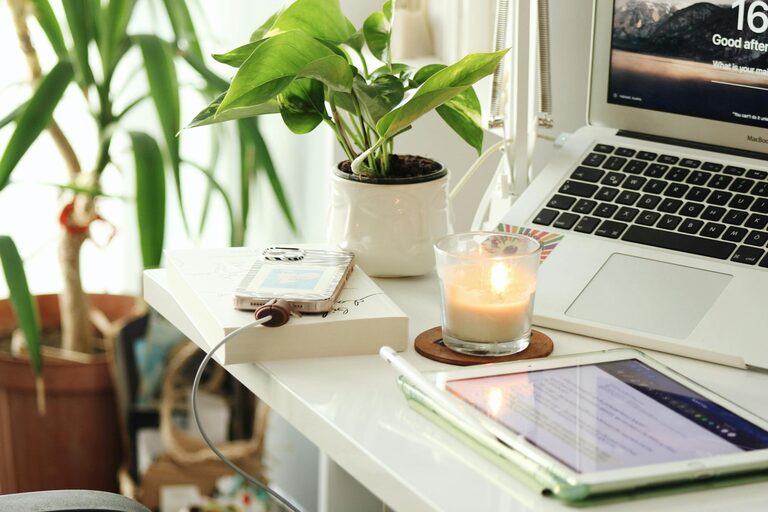
Creating a productive home office environment is essential for anyone working remotely or managing tasks from home. A well-designed workspace helps you maintain focus, reduce distractions, and feel motivated throughout the day. Whether you have a dedicated room or just a small corner, there are plenty of ways to optimise your home office for maximum efficiency and comfort.
Choose the Right Location
Finding the ideal spot for your home office is the first step in creating a productive environment. Consider these points:
– Quiet and private: Select a space away from high-traffic areas to minimise noise and interruptions.
– Natural light: Position your desk near a window if possible, as natural light can improve mood and reduce eye strain.
– Ventilation: Ensure the area is well-ventilated to keep the air fresh and maintain energy levels.
– Space: Choose a location that offers enough room for your equipment and allows you to move comfortably.
Even if space is limited, dedicating a specific area exclusively for work helps signal to your brain that it’s time to focus.
Invest in Ergonomic Furniture
Comfort plays a huge role in productivity. Poor posture can lead to discomfort and fatigue, reducing your work output. Consider these recommendations:
– Chair: Invest in an adjustable ergonomic chair with good back support.
– Desk: Choose a desk that fits your needs — height adjustable desks are great for switching between sitting and standing.
– Monitor placement: Position your computer screen at eye level and about an arm’s length away to avoid neck strain.
– Accessories: Use keyboard and mouse pads with wrist support if needed to prevent repetitive strain injuries.
Ergonomic furniture might seem costly upfront, but it pays off by protecting your health and enhancing your work performance.
Keep Your Workspace Organised
A tidy office helps clear your mind and reduces stress. Here are some organiser ideas to keep clutter at bay:
– Shelves and filing cabinets: Store documents and office supplies neatly out of sight.
– Desk organisers: Use trays, pen holders, and cable management tools to keep your desktop neat.
– Digital organisation: Maintain a clean computer desktop and back up files regularly to avoid losing important work.
– Daily tidying: Make it a habit to spend 5–10 minutes tidying at the end of each day.
An organised environment saves time when searching for materials and creates a more professional atmosphere.
Manage Noise and Distractions
Distractions can quickly interrupt your workflow. Strategies to maintain focus include:
– Noise-cancelling headphones: These can block out background noise during calls or deep work sessions.
– White noise: Playing soft background sounds or white noise can improve concentration.
– Establish boundaries: Let other household members know your working hours to minimise interruptions.
– Turn off notifications: Silence non-essential notifications on your phone and computer.
Creating a calm and focused workspace encourages you to complete tasks efficiently.
Optimise Lighting
Proper lighting reduces eye strain and boosts your energy. Consider the following lighting tips:
– Natural light: Use window blinds or curtains to avoid glare while maximising daylight.
– Task lighting: Position a desk lamp to illuminate your work area without causing shadows.
– Colour temperature: Choose bulbs with a daylight effect (around 5000K) for alertness during work hours.
– Avoid flicker: Use quality lighting to reduce flickering that can cause headaches.
Good lighting contributes to a pleasant atmosphere and helps you stay alert throughout the day.
Create a Comfortable Atmosphere
Your home office should be a pleasant place to spend time. Think about:
– Temperature: Keep the room at a comfortable temperature to avoid discomfort.
– Plants: Adding greenery can improve air quality and reduce stress.
– Personal touches: Display inspiring artwork, photos, or motivational quotes.
– Break area: If space allows, have a spot nearby where you can step away and relax during breaks.
A welcoming environment helps maintain a positive mindset and encourages regular breaks essential for productivity.
Manage Time Effectively
Even with a great workspace, good time management is key:
– Set a schedule: Define your working hours and stick to them.
– Prioritise tasks: Use lists or digital tools to focus on important work first.
– Take regular breaks: Follow the Pomodoro Technique or similar methods to avoid burnout.
– Limit multitasking: Focus on one task at a time for better quality and efficiency.
A balanced approach to work and rest keeps your productivity sustainable.
Use Technology Wisely
Leverage technology to enhance productivity without becoming overwhelmed:
– Reliable internet: Ensure you have a strong connection to prevent interruptions.
– Productivity apps: Use calendars, task managers, and communication tools to stay organised.
– Backup power: Consider a surge protector or backup battery for key equipment.
Keep software updated and avoid unnecessary gadgets that can cause distractions.
—
Creating a productive home office environment is about combining comfort, organisation, and good habits. By carefully selecting your workspace, investing in ergonomic furniture, managing distractions, and taking care of your wellbeing, you can transform your home office into a place where you work efficiently and feel motivated every day. Start with small changes, and adjust your setup as you learn what works best for you.