

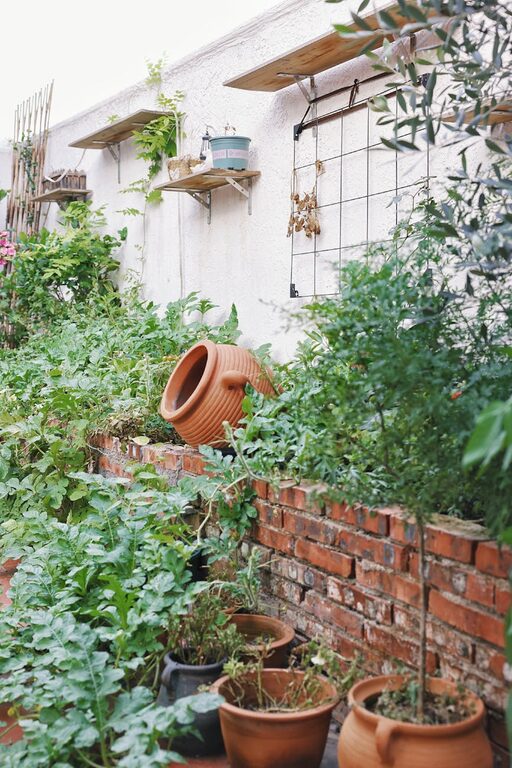
Creating a sustainable and eco-friendly garden at home is a rewarding way to connect with nature and contribute positively to the environment. Whether you have a large backyard or a small balcony, there are simple steps you can take to develop a garden that nurtures both plants and wildlife while minimising waste and resource use. This guide will help you get started on your journey to a greener garden.
Why Choose a Sustainable Garden?
Sustainable gardening focuses on practices that protect natural resources, reduce pollution, and support biodiversity. By growing your own plants, you can lower your carbon footprint, save water, and reduce the need for harmful chemicals. Plus, it’s a great way to enjoy fresh air, grow your own food, and create a peaceful outdoor space.
Step 1: Plan Your Garden Thoughtfully
Begin by assessing the space available and the conditions of your garden, such as sunlight, soil type, and climate. Choose plants that are native or well-adapted to your region because they require less water and are more resistant to pests.
Tips for planning:
– Draw a simple garden layout.
– Consider plant height, sun requirements, and bloom times.
– Include a mix of flowers, shrubs, and vegetables.
– Plan for seasonal interest to keep your garden colourful year-round.
Step 2: Use Organic and Natural Materials
Avoid synthetic fertilizers, pesticides, and herbicides. Instead, opt for organic compost and natural pest control methods. Composting kitchen scraps and garden waste enriches the soil and reduces landfill waste.
How to make your own compost:
– Set up a compost bin or pile in a corner.
– Add a balance of green materials (vegetable scraps, grass clippings) and brown materials (dry leaves, cardboard).
– Turn it regularly to aerate.
– After a few months, use the compost to nourish your plants.
Step 3: Save Water with Smart Irrigation
Water conservation is key in sustainable gardening. Use techniques that reduce water waste and make the most of rainfall.
Water-saving ideas:
– Install a rain barrel to collect rainwater.
– Water plants early in the morning or late in the evening when evaporation is low.
– Use drip irrigation or soaker hoses instead of sprinklers.
– Mulch around plants to retain moisture and suppress weeds.
Step 4: Encourage Wildlife and Pollinators
A healthy garden supports birds, bees, butterflies, and other beneficial creatures. Providing food, water, and shelter helps maintain the garden’s natural balance.
Ways to attract wildlife:
– Plant a variety of nectar-rich flowers for pollinators.
– Leave some bare ground or piles of stones for insects.
– Add a birdbath or shallow water dish.
– Avoid pesticides that harm pollinators and other wildlife.
Step 5: Choose Sustainable Materials for Garden Structures
If you want to add fences, raised beds, or paths, select materials that are eco-friendly and durable.
Options include:
– Recycled wood or sustainably sourced timber.
– Natural stone or gravel for paths.
– Recycled plastic or metal for garden furniture.
– Avoid materials that are chemically treated or difficult to recycle.
Step 6: Practice Crop Rotation and Companion Planting
If you grow vegetables or herbs, rotating crops each season prevents soil depletion and reduces pests. Planting certain species together can also help protect against pests and improve growth.
Examples:
– Plant beans near corn to enhance nitrogen in the soil.
– Avoid planting potatoes and tomatoes in the same spot two years running.
– Use marigolds to deter aphids and other pests.
Step 7: Reduce Waste and Reuse Wherever Possible
Sustainable gardening also means cutting down on waste. Reuse containers, pots, and tools, and repurpose materials creatively.
Waste reduction ideas:
– Use old containers as plant pots.
– Save seeds from your plants to grow next season.
– Repair tools instead of buying new ones.
– Share or swap plants and seeds with neighbours.
Conclusion
By following these simple steps, you can create a garden that is not only beautiful but also beneficial for the environment. A sustainable garden conserves resources, supports wildlife, and reduces waste, helping you enjoy nature responsibly. Start small, be patient, and watch your eco-friendly garden flourish over time. Happy gardening!