

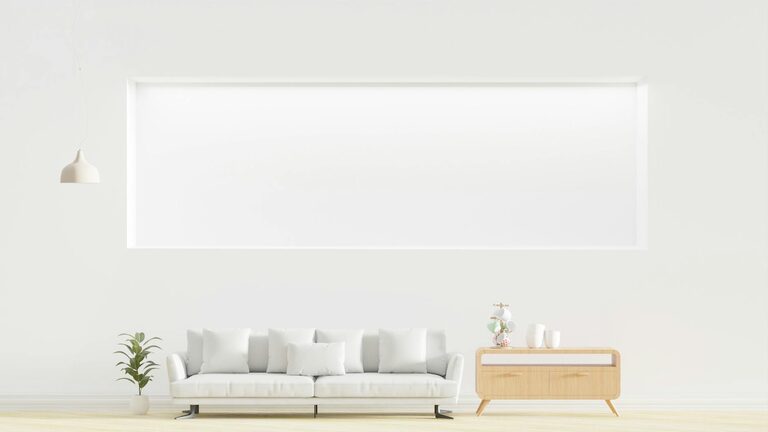
Creating a clutter-free and organised living space can significantly enhance your wellbeing and make your home more inviting. A neat environment reduces stress, improves productivity, and makes day-to-day living easier. Whether you’re tackling an entire home or just one room, this guide offers practical tips to help you transform your living space into a calm, tidy area.
Start with a Clear Plan
Before you dive into decluttering, take a moment to assess your space and set clear goals. Decide which areas most need attention—be it your living room, kitchen, bedroom, or office. Setting goals helps you stay focused and motivated.
Make a Checklist
– Identify clutter hotspots (e.g., coffee tables, countertops)
– Determine storage needs
– Set deadlines for each area
– Plan donation or removal of unwanted items
Declutter Systematically
Decluttering is key to creating an organised space. Rather than tackling everything at once, work in manageable sections.
Sort Using the Four-Box Method
Label four boxes or containers: Keep, Donate, Recycle, and Trash. As you go through your belongings:
– Keep: Items you use regularly or have sentimental value
– Donate: Usable items you no longer need
– Recycle: Paper, plastics, or other materials that can be recycled
– Trash: Broken or unusable items
This method helps to clearly categorise possessions and prevent keeping unnecessary items.
Be Honest with Yourself
Ask whether each item serves a purpose or brings joy. Avoid holding onto things out of guilt or obligation.
Enhance Your Storage Solutions
Effective storage is essential to maintaining order.
Use Vertical Space
Shelves, wall-mounted hooks, and tall storage units maximise vertical space without crowding floors.
Choose Multi-Functional Furniture
Items like ottomans with storage compartments or beds with drawers provide extra space without adding clutter.
Label Containers and Drawers
Clear labelling makes it easy to find things and encourages everyone in the household to put items back in their rightful place.
Develop Daily Habits for Maintenance
Keeping your space organised is an ongoing task. Small daily habits make a big difference.
Tidy as You Go
Take a few minutes each day to return items to their correct places, wipe down surfaces, and clear clutter.
Limit Incoming Items
Be mindful when bringing new items into your home. Ask yourself if they fit your space and lifestyle needs.
Create Designated Zones
Organise your living space by function to increase efficiency and reduce mess.
Examples of Zones
– Entryway: For coats, shoes, and keys
– Work Area: Desk with stationery organised
– Relaxation Corner: Cushions and throws neatly arranged
Having dedicated zones helps household members know where things belong.
Use the “One In, One Out” Rule
For every new item you bring home, consider removing an old one. This simple rule prevents accumulation and keeps possessions manageable.
Maximise Natural Light and Keep Surfaces Clear
Bright spaces feel more open and less cluttered.
– Open curtains and blinds during the day
– Avoid overcrowding surfaces like tables and countertops
– Use mirrors strategically to enhance light
Regularly Review and Refresh
Schedule monthly or seasonal reviews to reassess what you have and reorganise as needed. This helps to keep your living space tidy throughout the year.
—
Creating a clutter-free and organised living space doesn’t have to be overwhelming. By taking a planned, systematic approach and forming good habits, you can enjoy a home that is both functional and peaceful. Remember that organisation is a continuous journey, and every small change contributes to a more comfortable environment.