

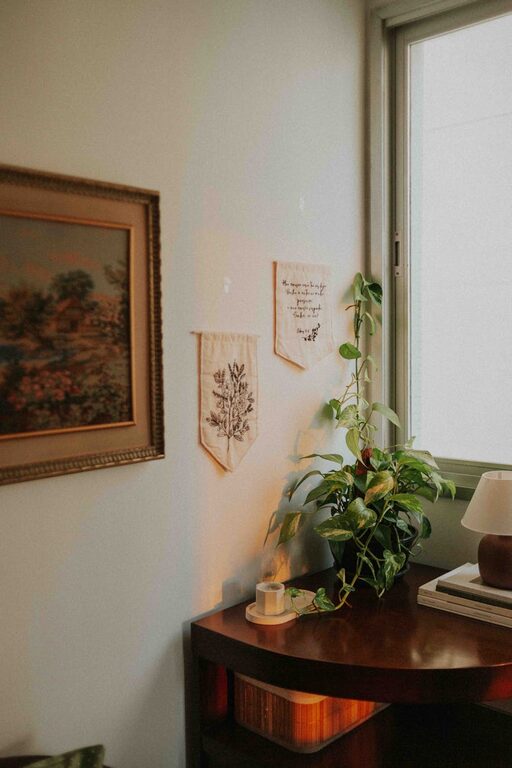
Creating a relaxing home environment can significantly boost your well-being by reducing stress and helping you unwind after a busy day. Your living space should be a sanctuary where you feel calm, refreshed, and comfortable. Fortunately, establishing such an environment doesn’t require a complete home makeover or expensive purchases. With a few simple adjustments and mindful choices, you can create a peaceful atmosphere that nurtures your mental and physical health.
In this post, we’ll explore practical ways to make your home a more relaxing place, from decluttering and lighting to adding plants and using soothing colours.
Why a Relaxing Home Environment Matters
Our surroundings have a strong impact on our mood and stress levels. A cluttered, noisy, or poorly lit space can increase anxiety and make it harder to switch off. Conversely, a calm and organised environment promotes relaxation, better sleep, and a sense of well-being. Over time, this can improve your overall health, energy, and happiness.
Declutter and Create Space
One of the quickest ways to foster relaxation is to declutter your home. Excess clutter can overwhelm the senses and create a feeling of chaos.
– Sort through your belongings: Keep only what you need or love.
– Organise storage: Use baskets, boxes, or shelves to keep things tidy.
– Create open areas: Clear floors and surfaces to help the space feel more open and breathable.
A tidy home not only looks better but also signals your brain that it’s okay to relax.
Choose Soothing Colours
Colours affect our emotions. Soft, neutral tones and pastels tend to create a calming atmosphere.
– Consider shades of blue, green, beige or soft grey for walls and decor.
– Avoid harsh reds or bright neon colours that can be overstimulating.
– Incorporate these colours through cushions, throws, curtains and artwork for subtlety.
A gentle colour palette helps reduce tension and promotes a sense of peace.
Use Natural Light and Soft Lighting
Lighting greatly influences mood and energy. Aim to maximise natural light during the day:
– Keep windows clean and unobstructed.
– Use mirrors to reflect light into darker corners.
For evenings, switch to warm, soft lighting instead of bright overhead lights:
– Table lamps and floor lamps with soft bulbs create a cosy ambience.
– Consider dimmable lights to adjust brightness as needed.
– Use candles or fairy lights for added warmth and relaxation.
Soft lighting signals your body it’s time to wind down.
Bring Nature Indoors with Plants
Houseplants are an excellent way to improve air quality and add a touch of nature, which promotes calmness.
– Popular easy-to-care-for plants include spider plants, snake plants and peace lilies.
– Position plants where you spend the most time, like the living room or bedroom.
– Incorporate natural elements like wooden furniture or stone decorations.
Even a few plants can make your home feel fresher and more inviting.
Incorporate Relaxing Scents
Certain scents can help reduce stress and create a soothing environment.
– Use essential oils such as lavender, chamomile or eucalyptus in a diffuser.
– Light scented candles or incense with calming fragrances.
– Fresh flowers or herb bouquets like rosemary and mint can also add gentle aromas.
Just be mindful of any allergies or sensitivities in your household.
Designate a Relaxation Zone
Set aside a specific area in your home dedicated to relaxation and mindfulness.
– Choose a quiet corner or a comfy chair with soft cushions and a throw blanket.
– Add items that encourage relaxation, such as books, a journal or calming music.
– Use noise-cancelling headphones or white noise machines if noise is a concern.
Having a dedicated spot helps create a routine and signals to your mind that it’s time to relax.
Maintain a Comfortable Temperature
Physical comfort is key to feeling relaxed at home.
– Ensure your heating and cooling systems maintain a pleasant temperature.
– Use fans or heaters as needed to adjust room temperature.
– Dress in comfortable clothes or use blankets to stay cosy.
Avoid extremes of hot or cold which can interfere with your ability to relax.
Minimise Noise and Distractions
Noise can be a major source of tension in the home. Try to reduce unnecessary sounds:
– Use thick curtains, rugs or soft furnishings to absorb noise.
– Close doors to block out household or street sounds.
– Consider soundproofing options if external noise is persistent.
– Establish quiet hours, especially in the evening.
Less noise helps your mind to switch off and supports restful sleep.
Establish a Regular Cleaning Routine
A clean home feels more welcoming and peaceful.
– Set a simple, regular cleaning schedule to prevent buildup.
– Involve all household members where possible.
– Use gentle cleaning products to avoid chemical smells which can be overwhelming.
A clean environment reduces distractions and promotes clarity.
Final Thoughts
Creating a relaxing home environment doesn’t have to be complicated or costly. By focusing on simplicity, organisation, natural elements and comfort, you can transform your space into a tranquil retreat. These small, thoughtful changes can make a big difference to your mental well-being, helping you to feel more balanced and rejuvenated each day.
Try integrating some of these tips gradually and see what works best for you. Remember, your home should be a personal haven where tranquillity and comfort come first.